
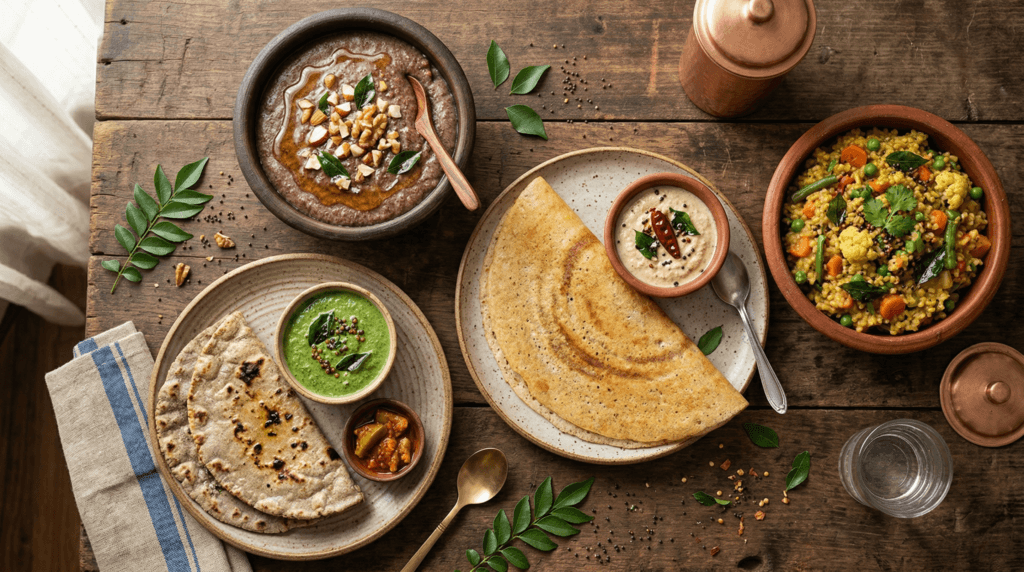
7-Day Millet Diet Plan for Weight Loss (Indian Meals + Nutrition + Cost ₹)

Category: Millet Recipes |
Duration: 7 Days |
Diet: Vegetarian & Non-Veg options |
Daily Calories: 1,090–1,360 kcal (adjust portions based on your body weight and activity level; increase if your daily requirement is higher) |
Daily Protein: 40–65g |
Avg. Daily Cost: ₹150–₹220/day (approx, current market rates) |
Data Source: ICMR-NIN IFCT 2017 & USDA FoodData Central
Introduction
A 7-day millet diet plan for weight loss is a structured, calorie-controlled meal programme using traditional Indian grains — ragi, bajra, and jowar — to reduce refined carbohydrate intake, improve satiety, and create a sustainable calorie deficit for consistent fat loss.
If your weight loss has stalled on regular roti and rice meals, the problem is often not the total food consumed — it is the type of carbohydrate. Refined wheat roti and white rice digest quickly, spike blood sugar, and leave you hungry within 2 hours. Millets behave differently. Their high fibre content slows digestion, keeps blood sugar stable, and reduces total daily calorie intake naturally.
This guide gives you a complete 7-day millet diet plan with structured meals, per-day calorie counts, protein data, and estimated daily food costs in Indian rupees. The plan uses ragi, bajra, jowar, and foxtail millet across all 7 days with practical Indian meal combinations. Browse our full millet recipes collection for more Indian millet meal ideas to complement this plan.
This plan aligns with calorie deficit principles recommended by global nutrition guidelines for gradual, sustainable fat loss — targeting 300–500 kcal below your daily maintenance level.
Explore more: All Indian Recipes | Weight Loss Recipes | High Protein Indian Meals | Diabetic Recipes
✔ People trying to lose 2–4 kg per month with a practical Indian diet
✔ Office workers and home cooks eating high rice and maida diets
✔ Budget-conscious households — this plan costs ₹150–₹220 per day
✔ Vegetarians looking for filling, high-fibre alternatives to wheat roti
✔ People managing blood sugar alongside weight loss goals
A 7-day millet diet plan for weight loss is a structured Indian meal programme using ragi, bajra, and jowar — delivering 1,090–1,360 kcal and 40–65g protein daily at approx. ₹150–₹220/day. It replaces refined carbs with high-fibre millets to reduce hunger, stabilise blood sugar, and support consistent fat loss without expensive supplements.
Why Millets Work for Weight Loss
1. High Fibre Reduces Total Calorie Intake
Millets contain 3–8g fibre per 100g — significantly more than white rice (0.2g) or refined wheat flour (2.7g). This fibre slows digestion, extends satiety, and naturally reduces the amount you eat at the next meal without conscious restriction.
2. Low Glycaemic Index Stabilises Blood Sugar
Ragi, bajra, and jowar have glycaemic index values between 52–68 — lower than white rice (72–79) and refined wheat (70–85). Lower GI means slower glucose release, fewer insulin spikes, and reduced fat storage after meals.
3. Naturally Gluten-Free and Easy to Digest
All major millets are naturally gluten-free, reducing digestive inflammation and bloating that often accompanies high wheat consumption. Better digestion supports nutrient absorption and reduces water retention.
4. Rich in Minerals That Support Fat Metabolism
Millets provide meaningful amounts of iron, magnesium, and phosphorus (ICMR-NIN IFCT 2017). Magnesium in particular supports over 300 enzymatic reactions in the body including glucose metabolism — a direct factor in fat burning efficiency. For ideas on pairing millets with high protein Indian meals, see our protein collection.
Nutritional Value of Key Millets (per 100g dry)
Understanding the nutritional profile of each millet helps you choose the right grain for each meal and calorie target:
| Millet | Calories | Protein | Fibre | GI (approx) | Best Used For |
|---|---|---|---|---|---|
| Ragi (Finger Millet) | 336 kcal | 7.3g | 3.6g | ~68 | Porridge, dosa, roti |
| Bajra (Pearl Millet) | 361 kcal | 11g | 8g | ~54 | Roti, upma, khichdi |
| Jowar (Sorghum) | 329 kcal | 10g | 6.7g | ~52 | Roti, dosa, bhakri |
| Foxtail Millet (Kangni) | 351 kcal | 12.3g | 8g | ~50 | Rice substitute, pulao |
| Little Millet (Kutki) | 341 kcal | 9.7g | 7.6g | ~52 | Idli, upma, khichdi |
Source: ICMR-NIN IFCT 2017. GI values are approximate. For diabetic-specific millet guidance see our diabetic recipes section.
Best Foods to Pair with Millets for Weight Loss
Millets are a strong carbohydrate base but should always be paired with protein and vegetables to make a nutritionally complete, filling meal:
| Food | Why It Pairs Well with Millets | Protein (per 100g) | Approx. Cost INR/kg |
|---|---|---|---|
| Moong dal | Completes amino acid profile, easy digestion | 7.5g (cooked) | ₹130 |
| Paneer | High protein, low carb, offsets millet carbs | 18g | ₹300 |
| Eggs | Complete protein, fast to prepare, very affordable | 13g (2 eggs) | ₹7–9/egg |
| Curd / Buttermilk | Probiotics improve millet digestion, cooling effect | 3.1g (100ml) | ₹50–70/kg |
| Seasonal vegetables | Low calorie, high fibre, micronutrients, volume | 2–4g | ₹30–60 |
| Rajma / Chickpeas | High protein + fibre combination with millet carbs | 8–9g (cooked) | ₹100–140 |
| Roasted peanuts / chana | Affordable protein snack, pairs with millet snack slots | 25g (dry) | ₹80–100 |
Source: ICMR-NIN IFCT 2017 & USDA FoodData Central. Prices are approx, current market rates.
7-Day Millet Diet Plan for Weight Loss
All calorie and protein values are approximate estimates. Source: ICMR-NIN IFCT 2017 & USDA FoodData Central.
Day 1 — Ragi Start
Est. Cost: ₹150 | ~1,200 kcal | ~42g protein
| Meal | What to Eat | Calories | Protein |
|---|---|---|---|
| Breakfast | Ragi Porridge (50g ragi + 250ml low-fat milk) + 5 Almonds | ~290 kcal | ~12g |
| Mid-Morning | 1 Medium Apple | ~80 kcal | ~0.5g |
| Lunch | 2 Ragi Roti + Moong Dal (1 katori) + Cucumber Salad | ~400 kcal | ~16g |
| Evening Snack | Roasted Chana (30g) | ~110 kcal | ~7g |
| Dinner | Millet Khichdi (40g foxtail millet + 20g moong dal + vegetables) | ~320 kcal | ~10g |
💡 Tip: Ragi porridge made with milk instead of water gives 2× more protein per bowl. Avoid adding sugar — use a pinch of cardamom for flavour.
Day 2 — Bajra Focus
Est. Cost: ₹160 | ~1,280 kcal | ~50g protein
| Meal | What to Eat | Calories | Protein |
|---|---|---|---|
| Breakfast | Bajra Upma (50g bajra + onion, mustard seeds, curry leaves) + 1 Cup Buttermilk | ~310 kcal | ~11g |
| Mid-Morning | 1 Cup Buttermilk (low fat, with cumin) | ~60 kcal | ~4g |
| Lunch | 2 Bajra Roti + Mixed Vegetable Sabzi + Curd (100g) | ~420 kcal | ~14g |
| Evening Snack | Peanut Chaat (30g roasted peanuts + lemon + chaat masala) | ~170 kcal | ~7g |
| Dinner | Moong Dal (1 katori) + Cucumber & Tomato Salad + 1 Ragi Roti | ~320 kcal | ~14g |
💡 Tip: Bajra roti cooks best on a tawa without oil — press lightly with a cloth when flipping to ensure even cooking. Keep rotis small (50g dough each) for portion control.
Day 3 — Jowar Balance
Est. Cost: ₹180 | ~1,260 kcal | ~52g protein
| Meal | What to Eat | Calories | Protein |
|---|---|---|---|
| Breakfast | Jowar Dosa (2, made with jowar flour) + Coconut Chutney | ~280 kcal | ~9g |
| Mid-Morning | 1 Guava or Seasonal Fruit | ~80 kcal | ~1g |
| Lunch | 2 Jowar Roti + Paneer Bhurji (100g paneer, 1 tsp oil) | ~460 kcal | ~22g |
| Evening Snack | Steamed Moong Sprouts (50g) + Lemon + Salt | ~100 kcal | ~8g |
| Dinner | Millet Vegetable Soup (30g foxtail millet + mixed vegetables, no cream) | ~340 kcal | ~12g |
💡 Tip: Day 3 is intentionally higher protein via paneer at lunch. Jowar roti stays fresh for 4–6 hours when wrapped in a clean cloth — make in the morning and carry for lunch.
Day 4 — Mixed Millets
Est. Cost: ₹170 | ~1,260 kcal | ~46g protein
| Meal | What to Eat | Calories | Protein |
|---|---|---|---|
| Breakfast | Little Millet Idli (4 pieces, steamed) + Sambar (1 small bowl) | ~300 kcal | ~12g |
| Mid-Morning | Coconut Water or 1 Seasonal Fruit | ~50–80 kcal | ~1g |
| Lunch | Foxtail Millet Rice (50g) + Rajma Curry (1 katori) + Salad | ~430 kcal | ~16g |
| Evening Snack | Roasted Peanuts (30g) | ~170 kcal | ~7g |
| Dinner | 2 Bajra Roti + Moong Dal Soup + Steamed Vegetables | ~320 kcal | ~11g |
💡 Tip: Foxtail millet cooks like rice — 1:2 ratio of millet to water. It is lighter than regular rice and has the highest protein content among common millets at 12.3g per 100g dry.
Day 5 — High Protein
Est. Cost: ₹200 | ~1,360 kcal | ~65g protein
| Meal | What to Eat | Calories | Protein |
|---|---|---|---|
| Breakfast | Ragi Dosa (2 pieces) + 2 Boiled Eggs (vegetarian: replace with 100g paneer) | ~350 kcal | ~22g |
| Mid-Morning | Low-fat Curd (150g) | ~90 kcal | ~5g |
| Lunch | 2 Jowar Roti + Paneer Bhurji (100g) + Vegetable Sabzi | ~460 kcal | ~22g |
| Evening Snack | Steamed Sprouts (50g) | ~100 kcal | ~8g |
| Dinner | Bajra Khichdi (40g bajra + 20g moong dal) + Salad | ~360 kcal | ~13g |
💡 Tip: Day 5 is the highest protein day at ~65g. This is intentional — mid-week protein boost preserves muscle mass during a calorie deficit and supports metabolism.
Day 6 — Light Day
Est. Cost: ₹150 | ~1,090 kcal | ~40g protein
| Meal | What to Eat | Calories | Protein |
|---|---|---|---|
| Breakfast | Ragi Porridge in water (50g ragi, no milk) + 1 Banana | ~220 kcal | ~7g |
| Mid-Morning | Buttermilk (200ml) | ~50 kcal | ~3g |
| Lunch | 1 Jowar Roti + Moong Dal (1 katori) + Cucumber Salad | ~300 kcal | ~14g |
| Evening Snack | Roasted Chana (20g) | ~75 kcal | ~5g |
| Dinner | Millet Vegetable Soup (30g little millet + vegetables) | ~250 kcal | ~9g |
💡 Tip: Day 6 is intentionally light. This caloric reset after 5 days of structured eating helps avoid metabolic adaptation — a common cause of weight loss plateaus.
Day 7 — Balanced Reset
Est. Cost: ₹180 | ~1,280 kcal | ~52g protein
| Meal | What to Eat | Calories | Protein |
|---|---|---|---|
| Breakfast | Bajra Upma (50g) + Curd (100g) | ~320 kcal | ~13g |
| Mid-Morning | 1 Seasonal Fruit | ~80 kcal | ~1g |
| Lunch | Foxtail Millet Pulao (50g) + Chickpea Curry (1 katori) + Salad | ~430 kcal | ~18g |
| Evening Snack | Peanut Chaat (30g roasted peanuts) | ~170 kcal | ~7g |
| Dinner | Bajra Khichdi (40g bajra + 20g moong dal) + Curd (100g) | ~345 kcal | ~15g |
💡 Tip: Day 7 is your review day. Note which millet meals kept you full longest — use that information to build your Week 2 plan. Rotate millets to avoid flavour fatigue.
7-Day Millet Diet Plan Summary
Source: ICMR-NIN IFCT 2017 & USDA FoodData Central. All values are approximate.
| Day | Theme | Est. Calories | Est. Protein | Est. Cost |
|---|---|---|---|---|
| Day 1 | Ragi Start | ~1,200 kcal | ~42g | ₹150 |
| Day 2 | Bajra Focus | ~1,280 kcal | ~50g | ₹160 |
| Day 3 | Jowar Balance | ~1,260 kcal | ~52g | ₹180 |
| Day 4 | Mixed Millets | ~1,260 kcal | ~46g | ₹170 |
| Day 5 | High Protein | ~1,360 kcal | ~65g | ₹200 |
| Day 6 | Light Day | ~1,090 kcal | ~40g | ₹150 |
| Day 7 | Balanced Reset | ~1,280 kcal | ~52g | ₹180 |
| Weekly Total | Full Plan | ~8,730 kcal | ~347g | ₹1,190–₹1,540 |
Foods to Avoid on This Millet Diet Plan
These foods directly undermine the calorie deficit and blood sugar stability this plan creates:
- Maida-based foods — bread, biscuits, refined flour roti, noodles, pasta
- Deep fried snacks — samosa, bhajiya, chips, namkeen with high oil content
- Sugary drinks — packaged juices, cola, sweetened tea, sports drinks
- Excess white rice — replace with millet or limit to ½ cup cooked
- Full-fat packaged dairy — flavoured yoghurt, cream, processed cheese
- Late night eating — any food within 2 hours of sleeping disrupts fat burning
Tips for Better Results on This Millet Diet Plan
These tips apply across all 7 days. For more Indian meal planning ideas, browse our complete Indian weight loss recipes collection.
| Tip | Why It Works |
|---|---|
| Always pair millet with dal or protein | Millets are low in lysine — combining with dal creates a complete amino acid profile, improving overall protein quality |
| Drink 2.5–3 litres water daily | High fibre in millets needs adequate water to prevent constipation — a common problem when first switching to millets |
| Start with 50g millet per meal | Millets are very filling — beginners often overestimate how much they need. 50g dry millet makes a full, satisfying serving |
| Limit oil to 2–3 tsp total per day | Each extra tsp adds 40 kcal — oil on millet dishes is the most common reason this plan underperforms |
| Eat dinner before 8:00 PM | Millet digestion is slower than rice — eating early ensures complete digestion before sleep, reducing bloating and improving fat burning |
| Rotate millets across the week | Each millet has a different micronutrient profile. Rotating prevents nutritional monotony and prevents flavour fatigue |
Common Mistakes to Avoid
These are the most common reasons this millet diet plan produces slow results. Avoiding them from Day 1 significantly improves outcomes. For diabetes-specific millet guidance, explore our diabetic recipes section.
| Mistake | Why It Slows Weight Loss |
|---|---|
| Eating large millet portions thinking it is “healthy” | Millets are calorie-dense (329–361 kcal/100g dry) — overeating millets causes calorie surplus just like overeating rice |
| Skipping dal or protein with millet meals | Without protein, millet meals cause hunger within 2 hours despite the fibre content — leading to snacking and excess calories |
| Not drinking enough water with high-fibre millets | Fibre without water causes constipation and bloating — making you feel heavier, not lighter, in the first week |
| Adding ghee or butter generously to millet roti | 1 tsp ghee adds 45 kcal — spreading ghee on 2 rotis adds 90 kcal before any other food is counted |
| Giving up after 3–4 days due to taste adjustment | Millet flavours are earthy and unfamiliar at first — taste adaptation takes 5–7 days. Most people quit before fat loss begins |
Frequently Asked Questions
🌿 Save this millet diet plan and start tomorrow.
Save this 7-day millet diet plan or explore more structured meal ideas from our Indian weight loss recipes collection to continue your progress.
Conclusion
This 7-day millet diet plan for weight loss is practical, affordable, and built entirely around traditional Indian kitchen staples. It does not require expensive superfoods or foreign ingredients — ragi, bajra, jowar, and dal are available in every Indian market at ₹40–₹130 per kg.
The key principles of this millet diet plan are consistent across all 7 days: replace refined carbs with millets, always pair millets with protein, control oil to 2–3 tsp daily, drink 2.5–3 litres of water, and eat dinner before 8:00 PM. These adjustments create a natural calorie deficit that compounds into visible fat loss results within 3–4 weeks of consistent practice.
You can also explore our complete millet recipes collection and our Indian weight loss recipes for more ICMR-NIN backed nutrition guides to continue your progress.
Explore more practical Indian recipes and nutrition guides on GrowRain to build sustainable eating habits that work for Indian lifestyles and Indian kitchens.
🌿 Commercial Consulting — Millet Menu Engineering & FSSAI-Compliant Labelling
For Restaurant Owners · Cloud Kitchen Operators · Hospital & Institutional Food Service Managers
Millet-based menus are no longer a niche offering — they are a commercially viable and growing demand segment across QSR, cloud kitchen, and hospital food service channels in India. GrowRain’s nutrition consulting team works directly with food service operators to design and implement:
- Millet menu engineering — calorie-controlled, high-margin millet dishes structured for commercial kitchen workflows
- FSSAI-compliant nutritional labelling — per-serving calorie, protein, and allergen declarations for packaged and served food products
- Diet plan development for hospitals, wellness centres, and corporate canteens using ICMR-NIN RDA benchmarks
- Cost-per-portion analysis — ingredient-level costing optimised for Indian market pricing to ensure viable food cost ratios
All consulting engagements are grounded in ICMR-NIN IFCT 2017 data and aligned with current FSSAI Food Safety and Standards (Labelling and Display) Regulations. Whether you are launching a millet bowl category, reformulating a hospital diet menu, or seeking FSSAI compliance documentation — GrowRain provides structured, data-backed support.
Medical & Nutrition Disclaimer: This 7-day millet diet plan provides general nutrition guidance based on ICMR-NIN Recommended Dietary Allowances for Indian adults (2020) and ICMR-NIN IFCT 2017 data. Calorie and protein values are approximate estimates. Individual nutritional needs vary based on age, health status, activity level, and medical conditions. This article is not a substitute for personalised medical or dietary advice. Consult a qualified doctor or registered dietitian before starting any structured diet programme, especially if you have diabetes, hypertension, kidney disease, or any other chronic condition.
🌿 GrowRain.com — Practical Nutrition & Recipe Platform | ICMR-NIN Sourced Data | Serving All of India